Hurricane Season Prep: Protecting Your Property's Plumbing
Storm checklists cover the roof and windows, then stop. The plumbing prep they skip, and how to watch your property after you evacuate.
Co-written with AI assistance from Claude Opus.
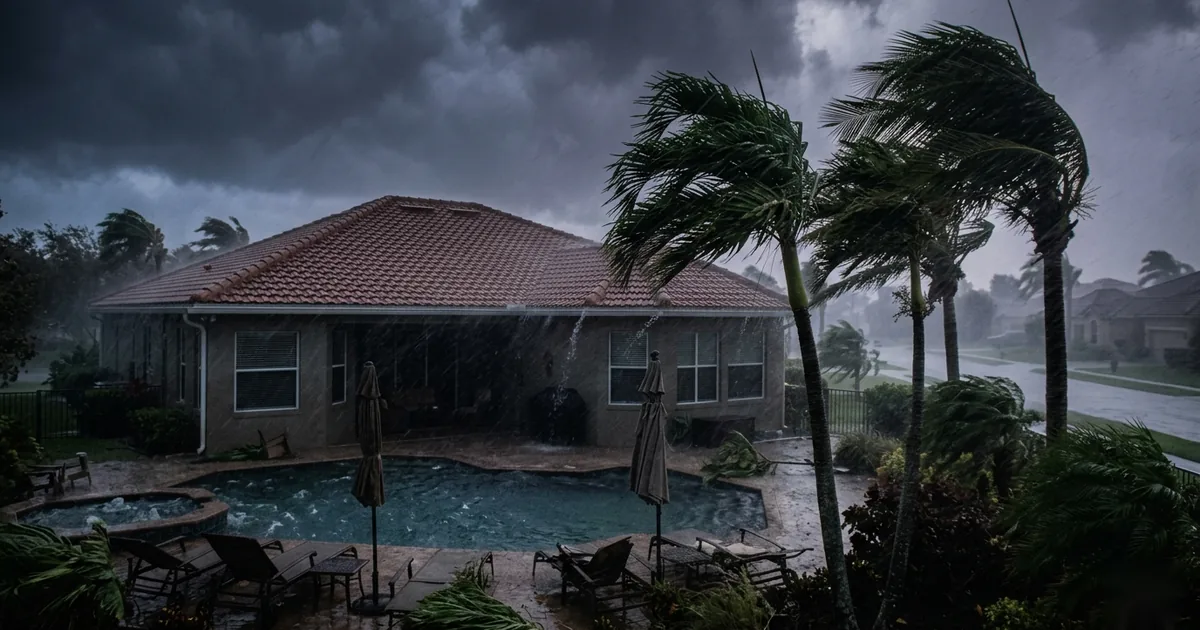
The part of hurricane prep the checklists skip
If you live or operate along the Gulf Coast or in the Southeast, you know the hurricane season routine: board the windows, clear the yard, stock up, make an evacuation plan. We are based in Florida, so this is personal for us. But most storm checklists stop at the roof and the windows and never mention plumbing, which is one of the ways a storm can quietly do the most expensive damage.
That gap costs businesses as much as households. A shuttered restaurant, clinic, or storefront sits empty for exactly as long as the evacuation order lasts, and an empty building with the water on is where a failed supply line turns into a flooded floor nobody sees for days.
Here is the water-and-plumbing prep that generic hurricane lists leave out, and why remote monitoring is the piece that protects a property when nobody can be in it.
Know and use your main water shutoff
The most important single thing you can do: know exactly where your main water shutoff valve is and how to operate it, before a storm is bearing down.
If you evacuate, or even if you are just hunkering down, shutting off the main water supply protects you from a compounding disaster. Storms can damage supply lines, and shifting or flooding can stress your plumbing. If a line fails while the water is on and nobody is there, you return to storm damage plus a flood. Cutting the main removes that second disaster entirely. Turn it off before you leave.
For a business with multiple units, floors, or buildings, make sure the shutoff location is documented somewhere the closing manager can find it, not just known to whoever has been there longest.
Protect against water intrusion and backflow
- Understand your flood risk. Standard homeowner’s and commercial property policies generally do not cover flood damage; that requires separate flood insurance. Know your zone and your coverage before the season, not during a warning.
- Consider a backwater valve. Storm surge and heavy rain can overwhelm municipal systems and push sewage back into a building through the drains. A backwater valve helps prevent that backflow. If you are in a flood-prone area, ask a plumber whether one is right for your property.
- Clear drains and gutters so the deluge has somewhere to go and drains away from your foundation instead of pooling against it.
- Elevate or protect vulnerable equipment like water heaters and pumps where flooding is a risk.
Before the storm arrives
- Fill bathtubs and containers with water for sanitation and flushing if the supply is disrupted.
- Turn off the main water supply if you evacuate.
- Turn off electricity to water heaters and pumps if flooding is expected, to protect the equipment.
- Photograph the property and its plumbing for insurance documentation, just in case.
- Test your sump pump, and make sure any battery backup is charged, since power often fails during storms.
Why remote monitoring is the key piece for evacuations
Here is the hard reality of hurricane season: the times a property is most at risk from water are often the exact times nobody can be there. You evacuate, and for days you have no idea what is happening inside. A pipe fails, a slow leak starts, water intrudes, and you learn about it only when you finally get back to the aftermath.
Remote monitoring changes that. Our spooresLEAK sensor keeps watching for water and tracking conditions even after you have left, and sends alerts to your phone wherever you have evacuated to. Paired with the spooresVALVE automatic shutoff, it can cut the water on its own if a leak starts, so a plumbing failure during the storm does not become a flood on top of the storm damage. And once it is safe, you can check on things and get help lined up before you even drive back.
For a business, that head start is the difference between reopening on schedule and discovering the damage a week later, when the mold has already started and the reopening date has moved.
The takeaway
Do not let plumbing be the gap in your hurricane plan. Know your main shutoff and use it before you leave, guard against flooding and backflow, and set up remote monitoring so that when you evacuate, you are not flying blind about what the storm is doing to your property.
Stay safe this season. Join the waitlist to be first in line for our leak detection and remote-monitoring devices.