Renting vs. Owning: Who's Responsible for Water Damage?
When a pipe leaks in a rental, who pays? How responsibility splits between tenant and landlord, and where renter's insurance stops.
Co-written with AI assistance from Claude Opus.
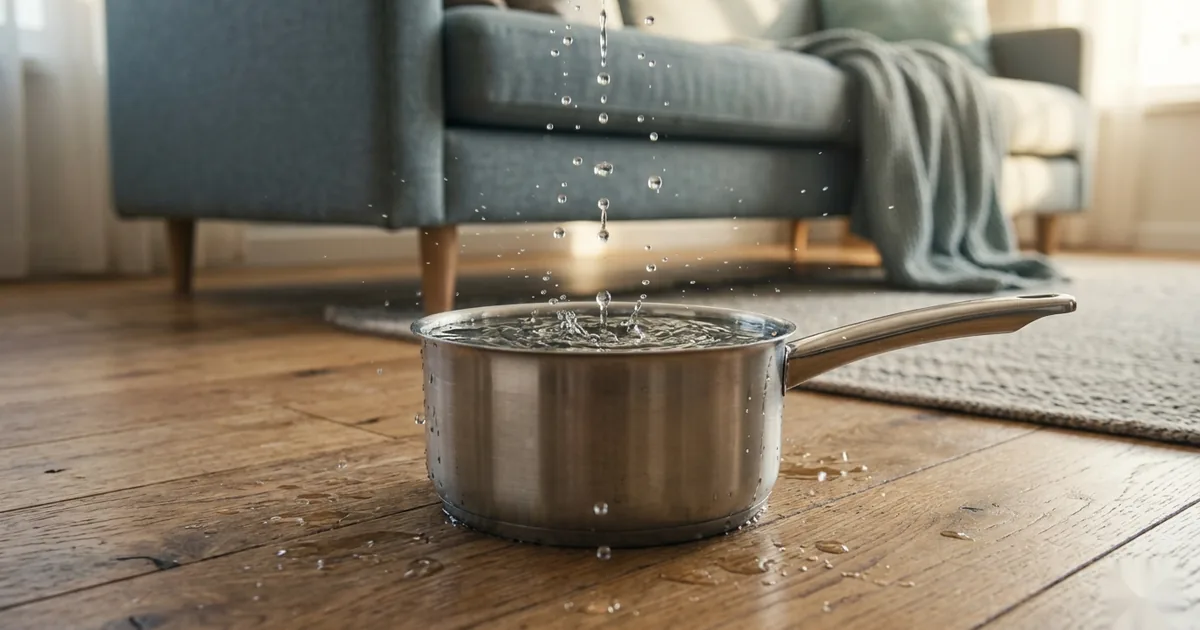
A confusing question with an expensive answer
Water damage in a rental sparks one of the most common and most misunderstood disputes between tenants and landlords: who is responsible for the cost? Renters often assume the landlord covers everything. Landlords often assume the tenant’s insurance handles it. Both can be wrong, and the gap between those assumptions is where surprise bills, and hard feelings, live.
Let’s clear the air on how responsibility generally splits, and why the smartest move protects both sides.
This is general information, not legal advice. Laws vary by state and locale, and your lease and insurance policies are the final word. When in doubt, check them and consult a professional.
The general rule: structure vs. contents
The most useful way to think about it is a split between the building and what is inside it.
- The landlord is generally responsible for the structure and its systems: the building, the plumbing, the pipes, and the fixtures. If a pipe fails inside the wall or the water heater the landlord provided leaks, repairing the damage to the building is typically the owner’s responsibility.
- The tenant is generally responsible for their own belongings, and for damage they cause. The landlord’s insurance covers the building, not the renter’s furniture, electronics, or clothes. And if the damage results from the tenant’s negligence, an overflowed tub left running, a reported leak they never mentioned, the tenant may be on the hook.
The line, roughly: the owner covers the house, the renter covers their stuff, and whoever caused the problem may own the consequences.
Where renter’s insurance fits (and where it does not)
A crucial and widely misunderstood point: the landlord’s insurance does not cover the tenant’s possessions. If a leak ruins a renter’s laptop and couch, the landlord’s policy will not replace them.
That is what renter’s insurance is for. It is inexpensive and typically covers a tenant’s personal property, and often liability if the tenant accidentally causes damage. But it has limits worth knowing:
- Like homeowner’s policies, it often distinguishes sudden and accidental damage from gradual damage, and may deny slow-leak claims.
- Flood is usually excluded and requires separate coverage.
- Coverage limits and deductibles apply, so it may not make you whole on everything.
For renters, the takeaway is simple: do not assume the landlord’s policy protects your belongings. It almost certainly does not.
Responsibilities cut both ways
Preventing disputes starts with each side doing its part.
Tenants should: report leaks and water problems to the landlord promptly and in writing (a delayed report can shift blame onto you), avoid causing damage through negligence, and carry renter’s insurance.
Landlords should: maintain the plumbing and water systems, respond quickly when a tenant reports a problem, and keep the building in good repair. Ignoring a reported leak can make the owner liable for the damage that follows.
The recurring theme in almost every dispute is the same: a leak that was not caught, or not reported, in time.
Why prevention is a win for everyone
Here is what makes water leak detection unusual: it benefits the tenant, the landlord, and the property manager all at once. Nobody in this arrangement wants a leak to grow.
- For landlords and property managers, it protects the investment. Catching a leak early prevents the structural damage and mold remediation that come out of the owner’s pocket, and it is especially valuable across multiple units or when a property sits between tenants.
- For tenants, it protects their belongings and helps them demonstrate they reported and responded to a problem promptly, keeping them on the right side of the responsibility line.
Our spooresLEAK sensor catches water the moment it appears and alerts a phone, whether that is the tenant’s, the landlord’s, or a property manager’s, and paired with the spooresVALVE automatic shutoff, it can stop the water before it spreads. Instead of arguing over who pays for the damage, both sides avoid the damage in the first place. For owners of rental and investment properties, that is protection for an asset someone else lives in day to day.
The takeaway
Responsibility for water damage in a rental usually splits along structure versus contents, with negligence and reporting timelines tipping the balance, and renter’s insurance filling the gap the landlord’s policy leaves. But the best outcome is the one where there is no damage to assign. Catching leaks early is the rare fix that serves renters, landlords, and property managers alike.
Join the waitlist to be first in line for our leak detection and shutoff devices.