Spring Thaw and Your Property: Water Risks You Might Not Expect
Winter gets the attention, but spring thaw sends meltwater into basements, crawl spaces, and foundations. What to watch for.
Co-written with AI assistance from Claude Opus.
Spring has a water problem nobody warns you about
Property owners brace for winter’s frozen pipes and summer’s storms, but spring slips in between with risks that are easy to overlook. As the snow melts and the frozen ground thaws, a lot of water gets released all at once, and it has to go somewhere. Too often, that somewhere is your basement, crawl space, or foundation.
These are not the dramatic, obvious failures. They are the quiet, seasonal ones, which is exactly why they catch people off guard. Here is what to watch for as the thaw sets in.
Snowmelt and the saturated ground
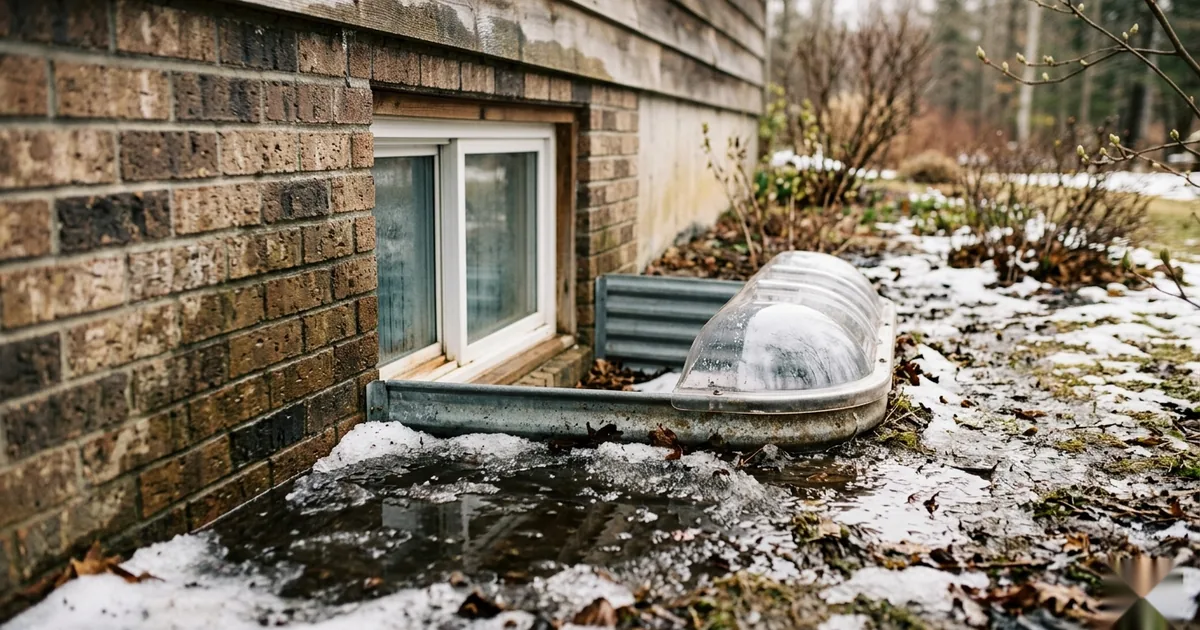
When a winter’s worth of snow melts, the ground can only absorb so much, especially if it is still partly frozen underneath. The excess water pools and looks for the path of least resistance, which frequently leads toward and into homes. Water gathering around your foundation is water pressing to get inside.
Watch for: pooling near the foundation, soggy areas in the yard that do not drain, and water seeping into the basement or crawl space after a warm spell.
Foundation seepage and cracks
The freeze-thaw cycle is hard on foundations. Water works into small cracks, freezes, expands, and widens them over the winter. Come spring, all that snowmelt and rain finds those enlarged cracks and seeps through. Even hairline gaps can let in enough water to cause real damage over a wet spring.
Watch for: damp spots or staining on basement walls, visible cracks in the foundation, a musty smell, or efflorescence (a white, powdery mineral residue) on concrete.
Sump pump failures
Spring is when your sump pump earns its keep, and also when an untested one fails you. After sitting idle all winter, a pump can be seized, clogged, or simply worn out, right as the meltwater arrives and it is needed most. A failed sump pump during the thaw is a flooded basement waiting to happen.
Watch for: a pump that does not activate when you test it, strange noises, or a pit that fills without the pump kicking on.
Condensation from temperature swings
Spring’s wide day-to-night temperature swings drive condensation. Warm, humid air meeting still-cool surfaces, basement walls, cold-water pipes, windows, leaves moisture behind. Over time that persistent dampness raises indoor humidity and creates prime conditions for mold, without a single leak involved.
Watch for: condensation on windows and pipes, a clammy feeling in the basement, and rising humidity levels.
Your spring water inspection checklist
Walk through this once as the thaw begins:
- Test your sump pump. Pour water into the pit and confirm it activates and drains. Consider a battery backup for power outages during storms.
- Inspect the foundation inside and out for new or widening cracks, and seal what you find.
- Check grading and drainage. The ground should slope away from the house. Clear gutters and make sure downspouts carry water well away from the foundation.
- Look for basement and crawl space moisture, damp spots, staining, musty smells, after the first warm spells.
- Monitor indoor humidity, and run a dehumidifier in the basement if it climbs.
- Check window wells for drainage and clear out debris.
Why monitoring matters most in transitional seasons
Spring’s risks are gradual and easy to miss until the damage is done. Seepage, condensation, and creeping humidity do not announce themselves the way a burst pipe does; they work slowly, out of sight, in the basement and crawl space you rarely visit this time of year.
That is where continuous monitoring shines. Our spooresLEAK sensor tracks moisture, humidity, and temperature in exactly those spots, so you get an alert when water starts seeping in or when humidity climbs into the mold-friendly range, long before you would notice on your own. Paired with the spooresVALVE automatic shutoff for supply-side leaks, it gives you eyes on the slow, seasonal problems that spring specializes in.
The takeaway
Spring water damage is real, and it is sneaky. Snowmelt, foundation seepage, tired sump pumps, and condensation all conspire while your attention is elsewhere. Run the checklist as the thaw begins, and keep an eye on the damp, low places where spring’s water quietly collects.
Join the waitlist to be first in line for our leak detection and environmental monitoring devices.